Dr Michael Cannell
Integrated Medical Practitioner and Private Doctor specialising in Integrated medicine, Nutritional Medicine, Homeopathy and Acupuncture in St Albans, Hertfordshire and London.
Homeopathy
Homeopathy is a natural system of medicine that has been utilized worldwide for over two hundred years. Rather than merely managing symptoms, the primary aim of the homeopathic approach is to "balance the whole person"
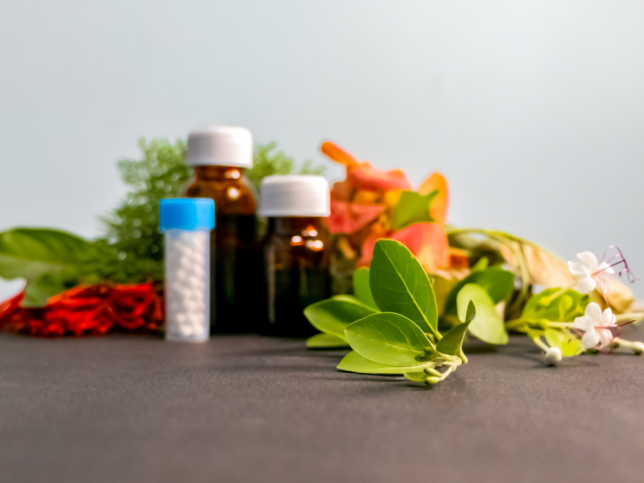
The Meaning of Homeopathy
Derived from two Greek words, the term essentially translates to "like can cure like."
Example: A homeopathic remedy derived from onions is commonly used ; onions typically cause, such as stinging, watering eyes, and sneezing. is an example of this homeopathic principle
The Process: Raw botanical, mineral, or natural substances undergo a precise dilution process to remove crude toxic effects, leaving a highly refined, safe remedy.
What to Expect During a Consultation
Homeopathic practitioners operate under clinical standards similar to conventional healthcare professionals, utilizing detailed history-taking, physical examinations, and necessary investigations to build an accurate clinical picture.
However, homeopathy places a unique emphasis on individualised care. Your practitioner looks at how your specific symptoms uniquely affect you as a whole person.
The Homeopathic Consultation Breakdown
To build a comprehensive, holistic overview of your health, your practitioner will evaluate several personalized aspects of your daily life:
Lifestyle, Eating Habits, & Preferences: An in-depth review of your daily routines, environment, and dietary selections.
Temperament & Personality: Insights into your emotional disposition, stress responses, and individual traits.
Sleep Patterns: Exploring the quality, timing, and unique characteristics of your nightly rest.
Medical History: A comprehensive timeline of past health conditions, systemic changes, and ongoing medical concerns.
Appointment Duration:
Your initial consultation will take up to 60 minutes to ensure a detailed evaluation. Follow-up appointments typically last up to 30 minutes.
Our Medicines & Remedies
At the conclusion of your clinical consultation, you will be prescribed one or several targeted remedies alongside tailored advice on proper administration. Homeopathic remedies are highly versatile and available in multiple formats to suit patient preference:
Oral Formats: Traditional pills, tablets, sublingual powders, or liquid drops.
Topical Formats: Specialized homeopathic gels or creams designed for direct application to the skin.
Safety & Practice Regulation
Is Homeopathy Safe?
Homeopathic medicines are prepared using minute, highly diluted amounts of active ingredients, making them exceptionally gentle. Due to this specialized formulation, they are non-addictive and do not carry the high risk of dangerous side effects often associated with some conventional pharmaceuticals. Under the guidance of a qualified homeopathic professional, they are safe for individuals across all stages of life, including infants, pregnant women, and breastfeeding mothers.
Regulated, Integrated Practice
I am a member of the Faculty of Homeopathy, incorporated by Act of Parliament in 1950, Patron HM The King” . As a Doctor, I am registered with the General Medical Council (GMC) registration 2493495.
Practitioners registered with authoritative bodies like the Faculty of Homeopathy are statutorily registered healthcare professionals bound by strict codes of professional competence, ethics, and training standards.
Registered professionals practice an integrated approach to health. This means that if a patient's clinical situation would be more effectively treated using conventional medicine, a conventional treatment will be recommended as the primary, better option.
Homeopathy - is there evidence that it works?
Acupuncture
In 2004, I started my foundational training in acupuncture with the British Medical Acupuncture Society (BMAS). 1 then proceeded to update my training and gained my Basic Safety and Competence Award in 2008.
In 2008-9, my N.H.S practice won awards from The Prince's Foundation for Integrated Health and from the N.H.S Alliance for the use of acupuncture for chronic knee pain due to osteoarthritis. I am registered, with the Hertfordshire PCT, as a 'GP with special interest' in acupuncture.
In 2012, I gained my Postgraduate Diploma in Western Medical Acupuncture (Univ of Hertfordshire) which gave me full accreditation with the BMAS. I am on the insurance panel PPP/AXA for Acupuncture.
I worked at the Royal London Hospital for Integrated Medicine for over twelve years in the general medical, children's clinics and now the rheumatology/musculoskeletal department.
Acupuncture is a treatment that involves the insertion of extremely fine needles into specific points into the body. This procedure stimulates the nerves in the skin, muscle and other tissues increasing the release of the body’s own natural painkillers, including endorphins and serotonin. These neurotransmitters modify the way pain signals are received by the brain causing pain reduction and often also an improved sense of wellbeing.
Current research shows that acupuncture can effect most of the body’s systems – the nervous system, muscle tone, hormone production, circulation and immune system as well as respiratory, digestive, urinary and reproductive systems

Nutritional Medicine
Health and disease are strongly influenced by our diet and nutrition, and other lifestyle factors. We are beginning to understand the interplay between the wider environment, our diet and our genetic makeup.
‘Nutritional Medicine is based on the principle that nutrients, including essential micronutrients, are required for the proper functioning of all the biochemical processes on which our bodies depend. Therefore, when treating symptoms or diseases, we look for the underlying causes which, although often partly genetic, are usually very much tied up with nutritional and environmental factors. This is in contrast to the tendency in the conventional medical approach to treat symptoms by means of drugs or surgery’ to quote from Meldrum JM Nutr Health.
See my 'resources' for more information.

Micro-immunotherapy
Micro-immunotherapy is a therapeutic approached by a Belgian physician Dr Janaer, in the 1970’s, aimed at promoting the Auto-regulation of the immune system by using immunomodulatory substances (eg Cytokines) in low and ultra-low doses (Dr Jenaer 1926-2016). From his investigations, he determined that the application of low doses of sublingually-administered immune messengers would offer a previously undiscovered therapeutic capability with optimal tolerability.
Dr Marichel further developed this approach using specific nucleic acids (SNA) to influence regulatory viral replication, transcription of pathological proteins and other epigenetic approaches.
Micro-immunotherapy (low dose immunotherapy) is a type of immunotherapy aimed at regulating the immune system through the use of immunomodulatory substances like cytokines in low doses. Due to its characteristics, it is a safe treatment, which can be combined with other therapeutic approaches. Nowadays, it is part of the therapeutic strategy of thousands of doctors, other health professionals and therapists in Europe and other parts of the world.

©2024 Dr Michael Cannell is powered by WebHealer